
The dream of a perfect new build home can sometimes be marred by unexpected defects. While new homes offer many advantages, they are not immune to issues. Understanding the most common snags and how to address them is crucial for any new homeowner.
Here’s a detailed look at frequently encountered new build defects and practical advice on how to tackle them:
1. Cosmetic & Finishing Issues
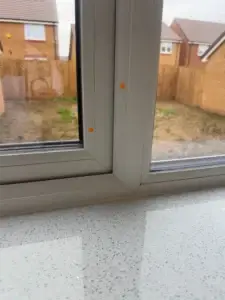
Description: These are often the most visible and include poor paintwork, uneven plastering, chipped tiles, misaligned doors or windows, and gaps in sealant around fixtures.[1, 5, 3]
Causes: Rushed construction, lack of attention to detail, or minor damage during the build process.[8]
How to Address: Document meticulously with photos and clear descriptions.[4] Include them in your snagging report. While some minor issues might be tempting to fix yourself, a professional report ensures the builder is held accountable for all defects, no matter how small.[5]

2. Plumbing & Drainage Problems
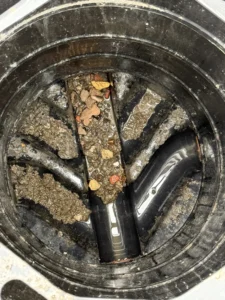
Description: Leaking pipes, slow drainage, issues with water pressure, faulty taps, or problems with heating performance.[1, 3, 15, 6, 16, 4]
Causes: Incorrect installation, poor quality fittings, or blockages from construction debris.[15]
How to Address: Test all taps, showers, and toilets. Check for leaks under sinks and around appliances. A professional snagging survey includes checks of plumbing systems and can identify hidden issues like insulation gaps affecting heating performance via thermal imaging.[1, 16]
3. Electrical Faults
Description: Non-functional sockets, flickering lights, issues with light fittings, or problems with the fuse box.[1, 16, 4]
Causes: Wiring errors, loose connections, or faulty components.
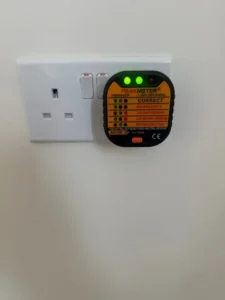
How to Address: Test every socket and light switch. Ensure safety features like smoke detectors and carbon monoxide alarms are correctly installed and functional.[4] Professional inspectors use specialist tools to test sockets and verify electrical systems.[1, 16]
4. Structural & External Issues
Description:
Cracking and Shrinkage: Minor cracks in walls or gaps in joinery are common as a new home dries out and settles.[15, 14] However, larger or rapidly appearing cracks can indicate more serious structural issues.[14]
Creaking/Bouncing Floors: This is a common concern in new builds and can signal underlying problems with floor joists or installation.[14]
Faulty Brickwork/Pointing: Inconsistent brickwork, missing mortar, or poor alignment.[1, 5, 16]
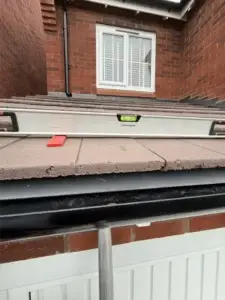
Roof & Guttering Problems: Missing or misaligned tiles, blocked gutters, or issues with drainage.[1, 3, 17, 16]
Causes: Natural settlement, poor construction practices, or inadequate materials.[14, 8]
How to Address: These issues often require expert assessment. A professional snagging survey includes visual inspections of loft spaces, structural elements, and external areas, often utilising drone surveys for roofs.[1, 18, 17, 16]
5. Insulation & Energy Efficiency Issues
Description: Drafts, cold spots, high energy bills, or visible gaps in insulation.[1, 3]
Causes: Missing or poorly installed insulation, cold bridging, or air leakage.[1, 5]
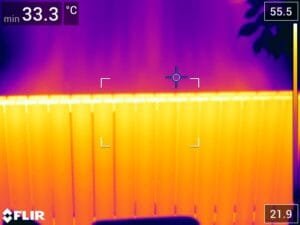
How to Address: Thermal imaging surveys are highly effective in identifying insulation defects and areas of heat loss.[1, 18, 16, 13] This can help you ensure your home is energy-efficient and comfortable.

6. Mould in New Builds
Description: The appearance of mould, particularly in bathrooms or areas with poor ventilation.[19, 20]
Causes: New builds often have high moisture content from construction materials drying out, combined with inadequate ventilation. This creates an ideal environment for mould growth.[15, 20]
How to Address: Ensure proper ventilation, especially in bathrooms and kitchens. Identify and address any underlying damp issues. A professional inspection can help pinpoint sources of moisture and recommend solutions.[1]
Check out our dedicated article on mould
General Advice for Addressing Defects:
Document Everything: Take clear photos and videos of every snag. Note the location, description, and date.[7, 4]
Professional Report: A detailed snagging report from an independent company is your strongest tool. It provides clear evidence and recommendations for your developer.[1, 18]
Communicate Clearly: Submit your report to your developer’s customer care department. Follow up consistently and keep a record of all communications.[5, 11, 7, 4]
Know Your Warranty: Understand your 2-year and 10-year warranty protections and when to escalate issues to your warranty provider or the New Homes Ombudsman Service if your builder is unresponsive.[1, 5, 9]
By being informed and proactive, you can ensure that your new build home is brought up to the standard you paid for and truly becomes the dream home you envisioned.
Useful Web links
1. Cosmetic & Finishing Issues
NHBC Finishes Guidance:
https://www.nhbc.co.uk/builders/products-and-services/standardsDIY or Professional? Guide to Snagging Surveys:
https://www.newhomesinspectionsuk.com/what-is-a-snagging-survey
2. Plumbing & Drainage Problems
WaterSafe: Find a Registered Plumber:
https://www.watersafe.org.ukThermal Imaging for Heating Issues – Service Info:
https://www.newhomesinspectionsuk.com/heat-loss-survey
3. Electrical Faults
Electrical Safety First: Homeowner Advice:
https://www.electricalsafetyfirst.org.ukProfessional Socket Testing Service (UK):
https://www.newhomesinspectionsuk.com/services
4. Structural & External Issues
RICS Guidance on Structural Movement:
https://www.rics.org/uk/news-insight/latest-news/news-opinion/structural-movement-in-new-buildsDrone Roof Survey by Qualified Inspectors:
https://www.newhomesinspectionsuk.com/drone-roof-surveyGutter and Roof Maintenance – NHBC Advice:
https://www.nhbc.co.uk/homeowners/home-maintenance/roof-guttering
5. Insulation & Energy Efficiency
Understanding Cold Bridging (Energy Saving Trust):
https://energysavingtrust.org.uk/advice/insulationBook a Thermal Imaging Survey:
https://www.newhomesinspectionsuk.com/heat-loss-survey
6. Mould in New Builds
NHS Guide to Damp and Mould:
https://www.nhs.uk/common-health-questions/lifestyle/can-damp-and-mould-affect-my-healthCondensation vs Rising Damp – Which Is It?
https://www.propertycare.org/homeowners/damp-condensation
7. General Advice & Escalation
NHBC Warranty Explained:
https://www.nhbc.co.uk/homeowners/what-does-my-policy-coverNew Homes Ombudsman – How to Complain:
https://www.nhos.org.ukSubmit Your Snagging Report – Free Template:
https://www.newhomesinspectionsuk.com/snagging-report-templateBook a Professional Home Snagging Survey (RPSA Certified):
https://www.newhomesinspectionsuk.com/book
Similar posts


by
September 19, 2026
Snagging Reports Versus Warranties Explained
A new-build warranty can sound like complete protection, particularly when you
by
September 17, 2026
How to Spot Window Defects in a New-Build Home
A window can look clean and complete on handover day while

by
September 15, 2026
New Home Quality Guide for Confident Buyers
A new home can look finished at the handover appointment yet
by
September 13, 2026
How to Document Defects in a New-Build Home
A developer may agree to address an issue verbally, but verbal

by
September 11, 2026
What a Snagging Survey Finds in a New-Build Home
A new home can look finished at handover while still containing

by
September 09, 2026
Thermal Survey Versus EPC: Which Do You Need?
A strong EPC rating can look reassuring on a new-build handover

One thought on “Common New Build Defects & How to Address Them: A Detailed Guide”