
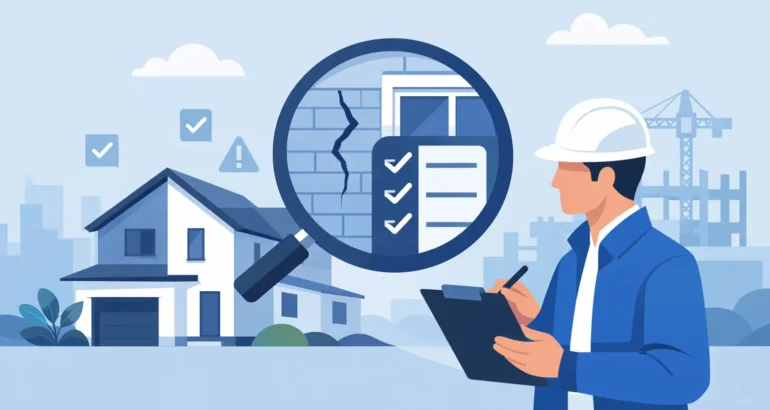
A new-build home can look immaculate on handover day and still contain defects that only become obvious once you start living in it. Poorly fitted doors, uneven brickwork, insulation gaps, incomplete sealant, roof detailing issues and hidden thermal loss are not unusual. That is why independent snagging surveyors play such an important role for buyers who want clear, evidence-backed information before defects become expensive disputes.
For many buyers, the pressure comes from timing. You may be close to legal completion, trying to coordinate removals, or already dealing with a developer’s customer care team. In that situation, it helps to have an independent professional whose job is not to protect the builder’s programme, but to inspect the property against recognised standards, document defects properly and give you a report you can act on.
What independent snagging surveyors actually do
Independent snagging surveyors inspect new-build homes for defects, poor workmanship, finishing issues and, where relevant, signs of non-compliance with expected construction standards. The purpose is straightforward – to identify what needs attention and present it in a clear report that the buyer or homeowner can raise with the developer.
A proper snagging inspection goes well beyond a quick walk-round. It typically covers internal finishes, external elements, roofing visible from ground level or by drone where appropriate, windows, doors, insulation indicators, drainage observations, ventilation, and the general quality of installation across key parts of the building. Depending on the service, the inspection may be carried out before completion, shortly after moving in, or close to the end of the builder warranty period.
That timing matters. A pre-completion inspection can help highlight defects before you take possession. A post-completion snagging survey is often the most practical option if site access is restricted before handover. A 2-year warranty inspection serves a different purpose again – it focuses on defects and deterioration that may have emerged over time and need to be raised before the builder’s initial liability period expires.
Why independence matters in a snagging survey
Not all inspections offer the same value. The key difference with independent snagging surveyors is exactly what the word independent suggests. They are not employed by the developer, not tied to the site team and not influenced by the need to sign plots off for handover targets.
That separation matters because defect reporting is not just about finding faults. It is about credibility. If you need to challenge incomplete work, recurring defects or delayed remedial action, your position is much stronger when the findings come from a qualified, insured and evidence-led inspector working solely in your interest.
There is also a practical advantage. Independent surveyors are used to identifying patterns that buyers may miss. A scuffed frame or cracked tile is easy to spot. More significant issues can be less obvious – poorly executed roof details, signs of moisture risk, missing insulation, inadequate sealing around openings, thermal bridging, or workmanship defects that suggest broader quality concerns elsewhere in the property.
What a good snagging report should include
A snagging report should do more than list faults. It needs to be structured, specific and usable. Vague comments such as “poor finish in bedroom” are not especially helpful when you are trying to secure remedial works. Clear descriptions, location references, photographs and a logical format make it easier for the developer to understand what is being raised and harder for issues to be dismissed.
Strong reporting is one of the main reasons buyers instruct independent snagging surveyors. A well-prepared report creates a record. It shows what was visible on the day of inspection, where it was found and why it requires attention. That can be especially important where defects affect weather tightness, energy efficiency, safety, compliance, or the long-term durability of the home.
The best reports are also realistic. Not every defect carries the same weight. Minor cosmetic snags should be recorded, but more serious issues should be clearly distinguished from routine finishing items. That helps you prioritise action and keeps the conversation with the developer focused.
When to instruct independent snagging surveyors
The right time depends on your stage in the purchase and the access available. If the developer allows it, a pre-completion inspection is valuable because defects can be identified before the moving date. In reality, many buyers are only able to arrange an inspection after legal completion, which is still worthwhile and often necessary.
There is also a strong case for inspection later in the warranty period. Defects do not always reveal themselves immediately. Shrinkage cracking, settlement-related movement, failed sealants, poor drainage falls, roof defects and thermal performance issues may become more apparent after occupation and through changing weather conditions.
If you are approaching the end of the 2-year builder warranty period, this is often the last sensible point to commission an inspection. Waiting too long can weaken your position and leave you carrying the cost of defects that should have been addressed earlier.
Choosing the right independent snagging surveyors
This is where buyers need to be selective. The cheapest inspection is not always the most useful, particularly if the report lacks technical depth or the surveyor has limited understanding of new-build standards. A surveyor working in this field should be experienced in identifying workmanship defects, familiar with the expectations set by warranty providers and industry guidance, and able to communicate findings in a way that supports remedial action.
Professional registration, appropriate insurance and a clear inspection methodology all matter. So does local knowledge. A surveyor working regularly across the Midlands and South Yorkshire will often have a better understanding of the regional developer landscape, common site issues and the practicalities of arranging access around handover schedules.
Specialist capability can matter too. Some defects are difficult to assess fully without the right tools. Thermal imaging can help indicate heat loss and missing insulation. Drone inspections can assist with roof condition assessment where safe visual access is limited. These are not required on every job, but they are valuable where the property type or defect profile justifies them.
What buyers often get wrong
One common mistake is assuming that a brand-new home should not need surveying because it already has a warranty. A warranty has value, but it is not a substitute for an inspection carried out on your behalf. The warranty process can still depend on you identifying, documenting and reporting defects properly.
Another mistake is focusing only on decorative items. Cosmetic issues matter, particularly if you have paid for a finished product that falls below expected standards, but the bigger concern is what sits behind the finish. Poor installation, incomplete detailing and performance-related defects can have a far greater impact on comfort, repair costs and resale confidence.
Buyers also sometimes delay because they do not want to appear difficult with the developer. That hesitation is understandable, especially for first-time buyers. Even so, raising legitimate defects through a professional report is not unreasonable. It is part of protecting your investment and making sure the property you have paid for meets the standard it should.
An evidence-led approach protects your position
A snagging survey is most effective when it is part of a clear process. Inspect, document, report, raise the issues formally and keep records of responses and remedial visits. That creates accountability. It also reduces the chance of defects being overlooked, disputed later or patched up without proper resolution.
At New Homes Inspections, that evidence-led approach sits at the centre of the service. Buyers are not simply handed a checklist. They receive a structured inspection report designed to support conversations with developers and give clarity on what needs attention.
There are, of course, limits to any inspection. Some areas may be inaccessible, some issues may only become apparent over time, and not every defect will amount to a compliance failure. But that is exactly why it helps to instruct a surveyor who understands the difference between minor snags, developing defects and more serious concerns that need urgent action.
A new-build purchase should feel like a fresh start, not the beginning of an argument over avoidable defects. Independent snagging surveyors give buyers a clearer view of what they are taking on and a stronger footing when remedial work is needed. If you want to move in with confidence, an objective inspection carried out at the right time is one of the most practical protections you can put in place.