
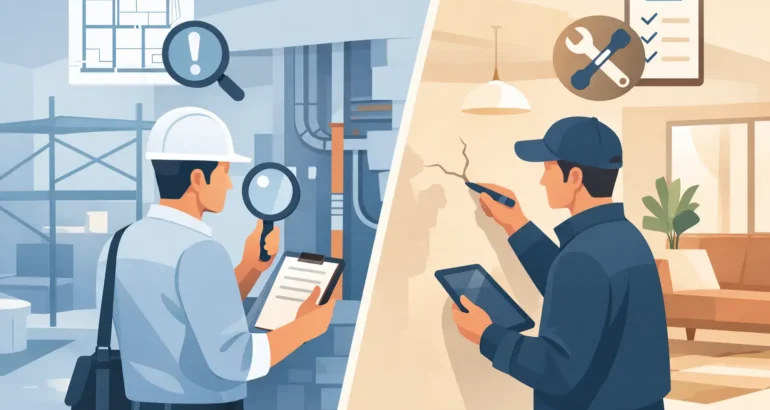
The keys may be waiting, removals may be booked, and the developer may be pressing for completion. That is precisely when the difference between a pre completion inspection vs snagging survey matters. Both can identify defects in a new-build home, but they happen at different points in the buying journey and give you different opportunities to seek remedial work.
For buyers across the Midlands and South Yorkshire, the right choice depends on the build stage, the developer’s process and how quickly you need evidence of defects. A professional inspection is not about finding minor cosmetic marks for their own sake. It is about documenting workmanship, installation and performance concerns clearly, so you can protect your investment and move in with confidence.
Pre completion inspection vs snagging: the key difference
A pre-completion inspection, often called a PCI, takes place after the property is substantially complete but before legal completion. It is intended to give the buyer an opportunity to view the home, identify visible issues and raise them with the developer before taking ownership.
Snagging is the broader process of identifying defects, unfinished work and quality issues. A snagging survey can be completed before completion where access is permitted, but it is commonly carried out after you have received the keys. It can therefore assess more of the finished home under normal conditions, including areas that may not have been accessible or operating during a pre-completion visit.
The terms are sometimes used interchangeably by developers and buyers. In practice, the important questions are when the survey will happen, what can be inspected, and whether there is enough time for the findings to influence the handover process.
What a pre-completion inspection can achieve
A PCI is an early intervention. When arranged at the appropriate stage, it gives you a recorded opportunity to raise concerns before legal completion. This may include poor finishes, damaged components, incomplete works, misaligned fittings, visible cracks, missing sealant, defective doors and windows, or concerns around external finishes.
The developer’s customer care team will usually accompany the visit or manage the process. Your ability to bring an independent surveyor, the length of the appointment and the areas available for inspection can vary. These arrangements should be confirmed well before the appointment, rather than assumed once you arrive on site.
A pre-completion inspection has a practical advantage: defects can be raised while the developer still controls the handover timetable. Where issues are accepted, there is a stronger prospect of work being addressed before occupation, or of clear remedial commitments being recorded.
However, a PCI is not a full substitute for a detailed post-completion snagging survey. The home may still be undergoing final cleaning, testing or external works. Appliances may not be connected, heating may not be commissioned, and some loft, roof or external elements may remain inaccessible. A professional surveyor should report what is visible and testable on the day, while making clear where inspection has been limited.
When a PCI is the sensible option
A PCI is particularly useful if your developer has confirmed independent access before completion and the property is genuinely nearing handover. It can be valuable for buyers who want defects recorded before funds are released and who are prepared to use the findings promptly in discussions with the site team.
It is less useful when the property is clearly unfinished, access is heavily restricted or the appointment is too close to completion for meaningful remedial action. In those cases, a thorough post-completion inspection may provide better evidence and a more complete assessment.
What a snagging survey covers
A professional snagging survey is an independent, systematic inspection of a new-build property. It looks beyond the obvious paint marks and scratches that may be listed during a developer walkthrough. The aim is to identify defects, workmanship issues and potential compliance concerns that should be investigated or remedied by the builder.
Depending on access and the condition of the home, a survey may assess internal finishes, joinery, doors and windows, kitchens, bathrooms, heating controls, visible plumbing, electrical accessories, ventilation, roof spaces, external brickwork, drainage features, paths and boundary elements. The inspection should also consider whether elements appear to have been installed and finished to an acceptable standard, rather than merely whether they look complete at first glance.
Evidence matters. A useful snagging report should set out each issue clearly, include photographs, identify its location and explain the action required. This gives you a practical schedule to submit to the developer, rather than a vague list that is easy to dismiss or misunderstand.
At New Homes Inspections, reports are evidence-led and aligned with recognised new-home inspection expectations, helping buyers present concerns in a clear and professional format. The purpose is not to create conflict with a developer. It is to establish a documented basis for putting defects right.
Why post-completion snagging can reveal more
Once you own and occupy the property, more systems can be assessed in realistic conditions. You can check how doors close after the building has settled slightly, whether heating controls operate correctly, whether extractor fans work, and whether water drains as expected from showers, basins and external surfaces.
Living in the home can also reveal intermittent issues that a short pre-completion visit cannot capture. Condensation around windows, inconsistent room temperatures, rattling pipework, draughts, poorly adjusted doors and leaks may only become apparent after use.
That does not mean buyers should wait by default. It means the two inspections can be complementary. A PCI can flag visible issues before handover, while a post-completion snagging inspection can provide a fuller assessment once the home is operational.
Choosing the right inspection for your purchase
The best route depends on your timing and the developer’s access policy. If independent attendance is allowed before completion, a PCI can give you useful leverage at a critical point. Ask the developer in writing whether your surveyor can attend, how long the inspection will be and whether all areas of the home will be available.
If pre-completion access is not available, arrange a snagging survey as soon as possible after completion. Do not wait until the end of the warranty period simply because the developer says any issues can be reported later. Early reporting creates a clearer record of what was present at or shortly after handover, and it allows defects to be addressed before they worsen or become harder to attribute.
Buyers should also distinguish between a developer’s own handover checklist and an independent inspection. A site team may carry out its own quality checks, but it remains responsible for delivering the home. An independent surveyor works for you, providing an objective assessment and photographic evidence without the commercial pressure to complete the sale.
Common misconceptions about PCIs and snagging
One common assumption is that a new home should be defect-free because it is new. New construction is not automatically poor construction, but it involves multiple trades, tight programmes and a large number of installed components. Defects can occur, particularly in finishes, adjustment, coordination between trades and final quality control.
Another misconception is that snagging only covers cosmetic details. Poor decoration and damaged surfaces matter because you have paid for a finished home, but a competent inspection also considers defects with greater practical consequences. These can include inadequate sealing, loose fittings, poorly operating windows, incomplete fire-stopping where visible, ventilation concerns, drainage issues and signs of heat loss or water ingress.
Finally, some buyers worry that raising defects will delay completion or damage their relationship with the developer. A factual report is not an unreasonable demand. Clear, proportionate communication helps both sides understand what needs attention. The key is to raise issues promptly, retain copies of all correspondence and agree target dates for remedial work.
Do not overlook the two-year warranty period
Even a careful pre-completion inspection and an early snagging survey cannot guarantee that every issue will be visible immediately. Movement, seasonal weather and everyday use can expose defects over time. This is why a two-year warranty inspection is valuable before the builder’s defect rectification period ends.
By this stage, concerns such as cracking, shrinkage, failed sealant, sticking doors, leaks, drainage problems and heating or ventilation performance may be easier to identify. A documented inspection before the deadline gives you time to submit issues while the developer remains responsible for addressing qualifying defects.
Whether you choose a PCI, a post-completion snagging survey or both, act while you have options. A well-timed independent inspection gives you the evidence to ask the right questions, secure remedial action and start life in your new home with greater certainty.